Free BP Screening for those who mention they saw this ad online.

Flu vaccines now available. We have the new Flu vaccines which include the H1N1 and 2 other Flu strains.

Are you Traveling? We are the #1 source for your Traveling vaccines. Call us for your traveling vaccine needs.

Learn more about Deer Tick and Tick Season, and Poison Ivy, Poison Oak, and Poison Sumac

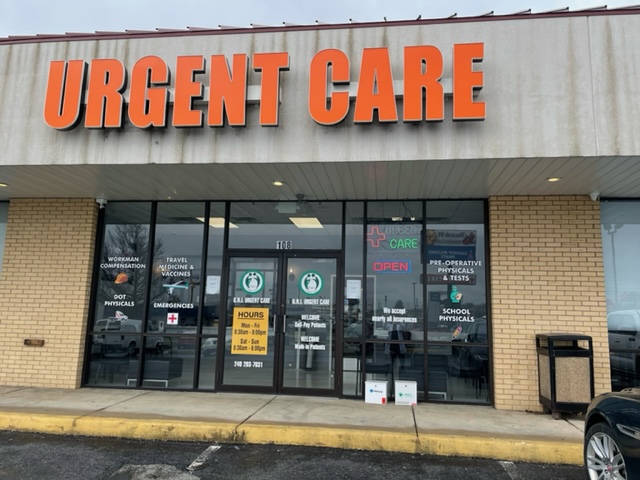
Welcome to U.N.I. Urgent Care, a friendly, convenient medical clinic serving Carroll County and communities including Westminster, New Windsor, Gamber, Finksburg and McDaniel College. We offer comprehensive medical care for all family members, everything from infant care to adult and senior medicine, from diagnostic testing to laboratory services, from immunizations and screenings to worker’s compensation examinations and after-hours care.

Because U.N.I. Urgent Care is located in the heart of your community, there’s no reason to go anywhere else for your medical care. We’re located on Washington Road, convenient to Route 140, Taneytown Pike and nearby Carroll County General Hospital. Our talented, compassionate and caring physicians are ready to treat your child’s sore throat, protect your family with flu shots or react to any medical situation you may encounter. Because U.N.I. Urgent Care is a walk-in center, no appointments are needed. We’re open year-round, seven days a week with convenient hours.

Your health is important and you and your family deserve only the best care available. Our mission is to provide quality care, quickly and efficiently. Whether you’re facing an unexpected illness or emergency, need travel medicine advice before embarking on a journey or are just seeking a friendly and knowledgeable caregiver, U.N.I. Urgent Care is your one-stop destination for medical treatment and consultation.


Allergy season occurs most notably during the spring and summer months, and affect one of every five Americans.  The 2010 allergy season, one marked for its incredibly high, record breaking pollen counts, is the result of a culmination of various factors.  First, most of the nation experienced a long, cold winter with large accumulations of rain and snow, providing trees plenty of water.  Second, spring arrived late, bringing with it hot, dry, summer-like conditions, which funneled moisture away from the eastern half of the nation.  Pollen thrives during dry periods, when it can keep blowing in the wind. 

Pollen is the usual culprit behind most allergy sufferers.  This is due mostly to how widespread it is; it is simply hard to avoid.  It is microscopic and able to be carried in the wind, landing in people’s eyes and lodging in their noses, where they cause irritation.  Other allergens include, pet dander, mold, mildew, bees, dust, various grasses and trees.

There are various levels of symptoms of allergic reactions, varying by the degree the person is susceptible to that certain allergen.  Mild allergy symptoms can include: rash, itchy, watery eyes; nasal congestion.  Moderate allergic reactions include symptoms that spread to other parts of the body, including itchiness and difficulty breathing.  Severe allergic reactions, also known as anaphylaxis, are rare, life-threatening emergencies in which the body’s response to the allergen is sudden and widespread.  They may begin with sudden itching of the eyes or face and rapidly progress to more serious symptoms including swelling that can inhibit breathing and swallowing, abdominal pain, cramps, vomiting, diarrhea, and mental confusion or dizziness.
Learn more here

Directions

Contact us @ (410) 751- 7480

826 Washington Rd, Suite 110A

Westminster, Maryland 21157

Located in the

Phyllis Green Professional Center

Directions

Become a Member of Our Team

director@uniurgentcare.com

girlHours

Monday -Saturday : 8:30 a - 8:30 p

Sunday: 8:30 a - 6 p


Our Services

U.N.I. Urgent Care offers a full range of services, including but not limited to:

• Minor Injuries

• Wound Care

• School and Sports Physicals

• Sore throat, earache, headache

• STD Screenings

• Urinary tract infections

• Minor Burns

• Immunizations

• EKGs

• X-Rays

• Laboratory Services

Occupational Medical Services

• Drug Testing

• Workers Compensation

• Work-related Injuries

• DOT Physicals

• Pre/Post Offer Physicals

• Fitness for Duty Examinations

Let U.N.I. Urgent Care be your local stop for routine health care screenings, including:

• Blood Pressure

• Weight- we are what we weigh and we
weigh what we eat

• Diabetes

• Cholesterol

Alert -Deer Tick and Tick Season

Ticks are small spider-like animals that bite to fasten themselves onto the skin and feed on blood. Ticks live in the fur and feathers of many birds and animals. Tick bites occur most often during early spring to late summer and in areas where there are many wild animals and birds. Learn More Here.

Poison Ivy, Poison Oak, and Poison Sumac: Which is making you itch?

Poison ivy, poison oak, and poison sumac are all plants whose leaves cause a skin rash after contact.  After contact, the skin becomes red and inflamed, as well as itchy, and is covered with lines or streaks and fluid-filled blisters or large raised areas called hives.  This reaction is caused by urushiol, (an allergen) the oil found all parts of poison ivy, oak, or sumac, that causes the allergic reaction on the skin.  Contact can be made by direct or indirect contact with the plant, its leaves, stems, flowers, berries and roots. Indirect contact occurs when you touch objects that have come in contact with the plant, including clothing, pet fur, athletic gear and gardening equipment. Learn More.

Alert -Cardiovascular disease

Heart disease is the No. 1 cause of death in the United States. Stroke is the No. 3 killer and the leading cause of disability. Smoking, hypertension, high cholesterol and diabetes all increase your risk for cardiovascular disease.

How can you reduce your risk?

Understand a simple rule: You are what you eat. Lifestyle choices do matter! Choose a healthy diet including a variety of nutritious foods such as vegetables, fruits, whole-grain products and fat-free/low-fat dairy products.

Don’t consume more calories than you burn every day.

Exercise at least 30 minutes at least three times a week. Regular exercise is good for your heart and bones. Walking, jogging, swimming, skiing and dancing are just a few popular exercise choices.

Don’t smoke tobacco products.

Consume alcohol only in moderation. Women should have no more than one drink per day, while men should limit their consumption to two drinks per day.

Ask your health care professional to assist you in developing an individualized plan to combat common risk factors for cardiovascular disease.